

Rotational Molding vs. Injection Molding vs. Blow Molding
A Complete Industrial Comparison Guide
Choosing the right plastic manufacturing process is critical for product quality, cost efficiency, and long-term performance. Among the most widely used techniques, rotational molding, injection molding, and blow molding each serve different industrial purposes.
This guide provides a clear, technical, and practical comparison to help manufacturers, OEMs, and product designers select the best molding process for their application.
What Is Rotational Molding (Rotomolding)?
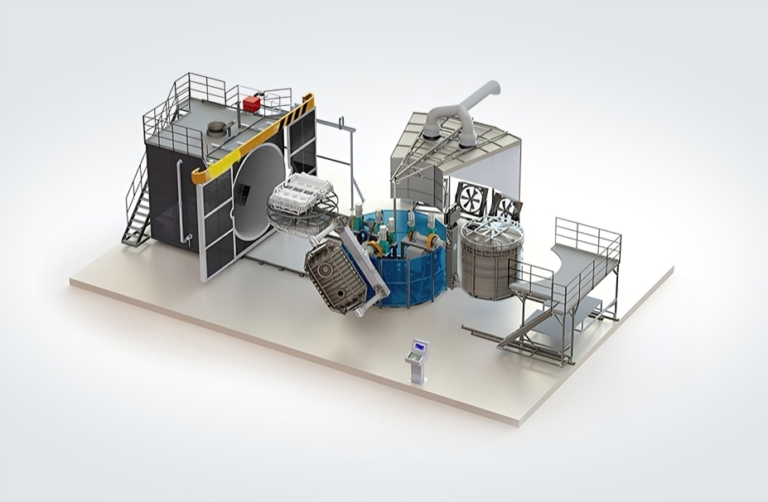
Rotational molding, or rotomolding, is a low-pressure plastic manufacturing process used to produce hollow, seamless plastic products. Plastic powder is placed into a mold, which is then heated and rotated on two axes, evenly coating the interior.
Key Characteristics of Rotational Molding
- No internal pressure
- Uniform wall thickness
- Seamless hollow parts
- Low tooling cost
- Ideal for large and complex shapes
Common Rotomolding Products
- Water tanks and septic tanks
- Road barriers and traffic safety products
- Industrial containers and bins
- Agricultural equipment
- Kayaks and marine products
What Is Injection Molding?
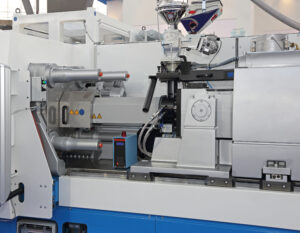
Injection molding is a high-pressure manufacturing process where molten plastic is injected into a closed mold cavity. Once cooled, the solid plastic part is ejected.
Key Characteristics of Injection Molding
- High pressure and precision
- Fast production cycles
- High tooling and mold cost
- Best for mass production
Common Injection Molded Products
- Automotive components
- Electrical housings
- Medical devices
- Consumer goods
- Plastic caps and fittings
What Is Blow Molding?

Blow molding is used to manufacture thin-walled hollow plastic containers. Molten plastic is extruded into a tube (parison) and expanded using air pressure inside a mold.
Key Characteristics of Blow Molding
- Designed for hollow containers
- Thin wall construction
- High production speed
- Moderate tooling cost
Common Blow Molded Products
- Plastic bottles
- Fuel tanks
- Chemical containers
- Drums and packaging products
Rotational Molding vs. Injection Molding vs. Blow Molding: Key Differences
Manufacturing Pressure
- Rotational molding: No pressure
- Injection molding: High pressure
- Blow molding: Medium air pressure
Low pressure in rotomolding eliminates internal stress, making parts more durable over time.
Product Type Suitability
- Rotational molding: Large, hollow, thick-walled products
- Injection molding: Solid, high-precision components
- Blow molding: Thin-walled hollow containers
Tooling & Mold Cost
- Rotational molding: Low
- Injection molding: Very high
- Blow molding: Medium
For startups and custom manufacturers, rotomolding offers a strong cost advantage.
Production Volume
- Rotational molding: Low to medium volume
- Injection molding: Very high volume
- Blow molding: High volume
Injection molding becomes economical only at large production scales.
Wall Thickness & Strength
- Rotational molding: Uniform, thick walls, high impact resistance
- Injection molding: Strong but may contain internal stress
- Blow molding: Thin walls, lower structural strength
Design Flexibility
- Rotational molding: Excellent for complex shapes, inserts, and multilayer designs
- Injection molding: Excellent for precision but limited wall thickness
- Blow molding: Limited to container shapes
Comparison Table: Rotomolding vs Injection vs Blow Molding
| Feature | Rotational Molding | Injection Molding | Blow Molding |
| Pressure | None | High | Medium |
| Tooling Cost | Low | Very High | Medium |
| Product Type | Hollow, large | Solid parts | Hollow containers |
| Wall Thickness | Uniform & thick | Thin to medium | Thin |
| Production Volume | Low–Medium | High | High |
| Design Complexity | High | High precision | Limited |
| Internal Stress | None | Possible | Low |
Which Molding Process Is Best for Your Application?
Choose Rotational Molding If:
- You need large hollow products
- Uniform wall thickness is critical
- Low tooling investment is required
- Durability and impact resistance matter
Choose Injection Molding If:
- You need high-precision solid parts
- Production volumes are very high
- Tight tolerances are required
- Budget allows for expensive molds
Choose Blow Molding If:
- You manufacture bottles or containers
- Thin walls are acceptable
- High output speed is needed
Why Rotational Molding Is Growing Worldwide
Rotational molding is rapidly expanding across Asia, the Middle East, Africa, Europe, and the Americas due to:
- Infrastructure development
- Water storage demand
- Agricultural modernization
- Cost-effective customization
Manufacturers prefer rotomolding for its long-term durability, design flexibility, and lower capital investment.
Final Verdict
There is no single “best” molding process — the right choice depends on product design, volume, strength requirements, and budget.
However, for large, hollow, durable plastic products, rotational molding remains the most versatile and cost-effective solution.
📌 Pro Tip for Buyers
Before investing in machinery, always evaluate:
- Product size & geometry
- Annual production volume
- Material selection
- Tooling lifecycle cost
One Comment